Disability Care
Cappsule helps NDIS providers support genuine independence while keeping participants safe, with ambient monitoring that respects autonomy and needs nothing worn. It protects participants who can't call for help and generates the evidence providers need for safeguarding.
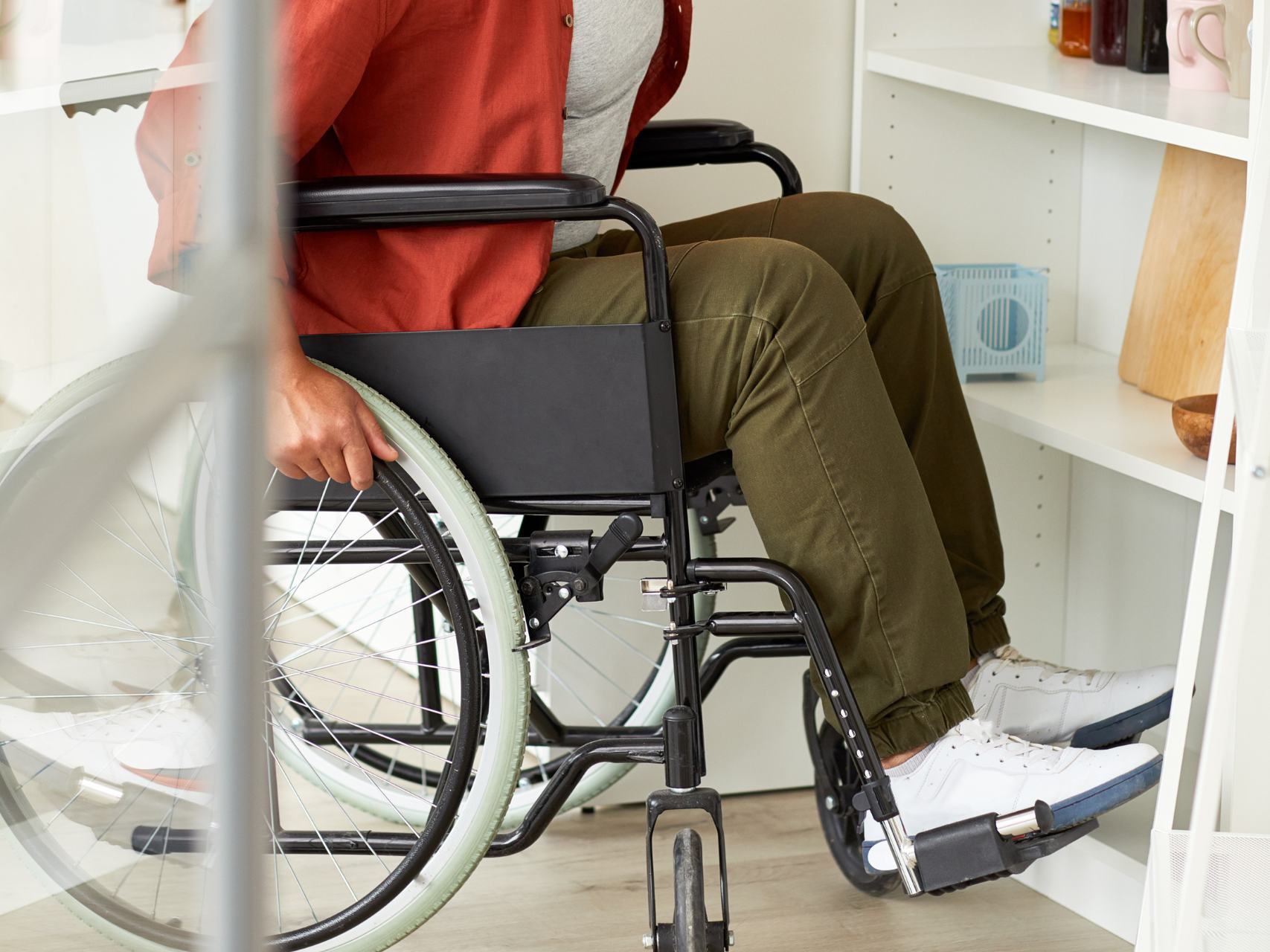
Great disability support holds two things in balance: a participant's right to live independently, their dignity of risk, and a genuine duty to keep them safe. Doing both is hard, especially overnight, and especially for participants who are non-verbal or unable to call for help. It's also expensive: active overnight support is one of the largest and most scrutinised costs a provider carries.
Present when it matters, invisible when it doesn't
Placed in a Supported Independent Living home or a participant's own space, Cappsule HQ provides ambient monitoring that respects autonomy, with no cameras and nothing worn, while quietly watching for the things that matter: a fall, a health event, prolonged inactivity, or a break in routine. For a participant who can't summon help, that's protection that's always present.
A smarter, safer model of support
For providers, this opens up a better model. Where it's clinically and plan-appropriate, ambient monitoring can underpin a shift from active to responsive overnight support, maintaining safety while easing one of the heaviest cost lines. It can also serve as a less restrictive alternative to constant supervision, supporting the sector-wide goal of reducing restrictive practices.
Cappsule Smart Tags extend the same idea to daily life, tagging medication, mobility aids and key items so routines can be supported and skill-building encouraged, with a proactive alert when something important is missed. And throughout, Cappsule generates the objective evidence providers need to demonstrate safeguarding, incident response and participant outcomes.
Cappsule already holds a distribution agreement within the NDIS in Australia, so this is built for the sector, not adapted to it.
More independence for participants, a defensible and safer model for providers, and safeguarding you can evidence.